How to Spot a Fake Memorial Day Discount in 30 Seconds
May 17, 2026
Every deal site right now is publishing some version of "BEST MEMORIAL DAY DEALS — SAVE UP TO 70%." The percentages are real. What they're percentages of is often not.
Here's how to read through it in about 30 seconds.
The Reference Price Problem
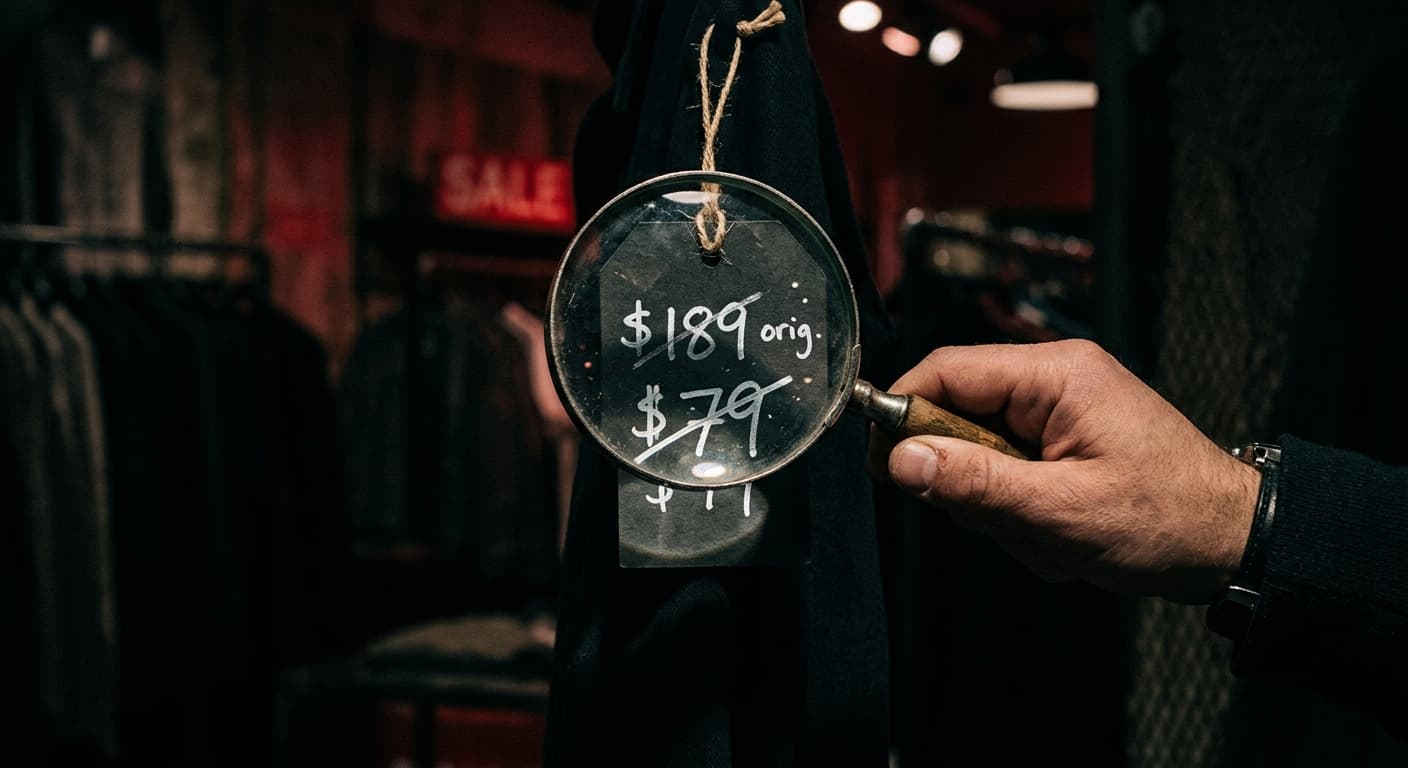
The "was $X, now $Y" format is the most common manipulation in retail pricing, and it's completely legal. The math only works if the "was" number is honest — and it often isn't.
A common pattern: a product is listed at an inflated MSRP (manufacturer's suggested retail price) that it has rarely, if ever, actually sold for. The retailer then marks it "50% off" against that inflated number. The sale price might be the real normal price, or even slightly above it.
30-second check: Copy the product name and look at the price history. CamelCamelCamel works for Amazon. For other retailers, a quick search of the product + "price history" or just checking a couple of competitors tells you whether the "original" price was ever real.
Countdown Timers That Reset
"Only 4 hours left!" is designed to create urgency. Sometimes it's real — flash sales do exist. More often, the timer resets at midnight, or the same deal runs for two weeks with a perpetually expiring clock.
30-second check: Open the same page in an incognito window (which removes personalization). If the timer looks different or the "ending soon" language is gone, it was triggered by your browsing behavior, not an actual deadline. Come back tomorrow — if the price is the same, the urgency was manufactured.
The MSRP Anchor
MSRP is a number manufacturers suggest. For most product categories, actual street prices run 10–40% below MSRP before any sale. A "30% off MSRP" deal might be no discount at all relative to what you'd pay any other day.
This is most common in mattresses, appliances, and consumer electronics — categories where the gap between MSRP and real-world pricing is widest.
30-second check: Search the exact model number on Google Shopping. If every retailer is selling it at roughly the same price as the "sale" price, that's the actual market price. The MSRP anchor is theater.
The Bundle That Inflates the Total
"$400 value — yours for $199!" Bundle deals work by inflating the individual component valuations. A mattress "package" that includes pillowcases and a frame at marked-up individual prices creates the appearance of massive savings while the mattress itself (the actual purchase) may not be discounted at all.
30-second check: Price out the components separately. The bundle is only a deal if you would have bought each item at those prices anyway.
What to Actually Trust
A few signals that a Memorial Day deal is real:
- The price history shows a genuine drop. Not a drop to normal price — an actual reduction below where it's been.
- Multiple retailers are matching it. Price competition is real. If Home Depot and Lowe's are both at $X for the same grill, $X is probably close to the actual floor.
- The category fits the holiday. Grills, patio furniture, mattresses, and appliances historically see real Memorial Day discounts because retailers plan inventory around the holiday. "Memorial Day TV sale" is almost always manufactured. "Memorial Day patio furniture sale" is more likely legitimate.
This is exactly what Dealery tracks — not just the current price, but the price trajectory and how it compares across retailers in real time. The goal is to answer the question you're actually asking: is this a good price, or does it just look like one?
That's a harder question than it sounds. But it takes about 30 seconds once you know what to check.